

When it comes to your home, the first thing people see is its exterior. The way your house looks from the street can set the tone for the rest of the property. If you are looking to enhance your home's curb appeal, one of the most effective and affordable ways to do so is by installing quality vinyl siding. Vinyl siding is not only durable and low-maintenance, but it can also dramatically transform the look of your home. In this blog, we will explore how vinyl siding can help you improve your home’s curb appeal, why it’s a smart choice, and how you can make the most of this upgrade.
What is Vinyl Siding?
Vinyl siding is a popular exterior cladding material made from polyvinyl chloride (PVC). It is available in a variety of colors, textures, and styles, making it easy to customize the appearance of your home. The material is designed to mimic the look of wood, stone, or brick, giving homeowners the flexibility to achieve their desired aesthetic without the cost or maintenance associated with those traditional materials.
Benefits of Vinyl Siding
1. Boosts Curb Appeal
The most immediate benefit of installing vinyl siding is the improvement in your home’s curb appeal. Whether you are selling your house or simply want to enjoy a more attractive exterior, vinyl siding provides a sleek, modern, and fresh look. With a variety of colors and textures to choose from, you can select an option that complements your home’s architectural style.
2. Durability
Vinyl siding is incredibly durable and can withstand harsh weather conditions, from intense heat to freezing temperatures. Unlike wood, it won’t warp, crack, or rot, making it an excellent option for areas with extreme weather. Additionally, vinyl is resistant to fading, so its color will remain vibrant for years to come.
3. Low Maintenance
One of the biggest draws of vinyl siding is its low-maintenance nature. Unlike wood siding, which requires periodic painting and sealing, vinyl siding only needs to be washed occasionally to maintain its appearance. A simple rinse with a garden hose is typically enough to remove dirt, dust, and grime, keeping your home looking fresh.
4. Energy Efficiency
Vinyl siding can also improve your home’s energy efficiency. When combined with insulation, vinyl siding helps to maintain a consistent indoor temperature, reducing the need for heating and cooling. This can lead to lower energy bills and a more comfortable living space year-round.
5. Affordability
When compared to other siding options such as wood, stone, or brick, vinyl siding is relatively affordable. It provides a similar aesthetic without the high costs of more traditional materials. The installation and long-term maintenance costs are also lower, making vinyl siding an attractive choice for homeowners on a budget.
Choosing the Right Vinyl Siding for Your Home
1. Consider the Color
Color is one of the most important aspects of choosing vinyl siding. The color you select should complement the architectural style of your home and blend well with the surrounding environment. Lighter colors such as soft beige, light gray, or white can give your home a clean, airy look, while darker colors like navy blue or charcoal gray add sophistication and drama.
2. Pick the Right Texture
Vinyl siding comes in several textures, each offering a different aesthetic. For a traditional look, choose a smooth or wood grain texture. If you want to add a bit of depth to your home’s exterior, consider textured options such as shakes or scalloped shingles. Textured vinyl siding can mimic the look of natural materials like wood or stone, creating a more rustic or custom appearance.
3. Siding Style
The style of vinyl siding you select should also match the overall look of your home. Horizontal siding is a popular choice for traditional homes, while vertical siding can add a contemporary or farmhouse flair. There are also other options, such as board and batten, to give your house a unique, personalized touch.
Installation Tips for Vinyl Siding
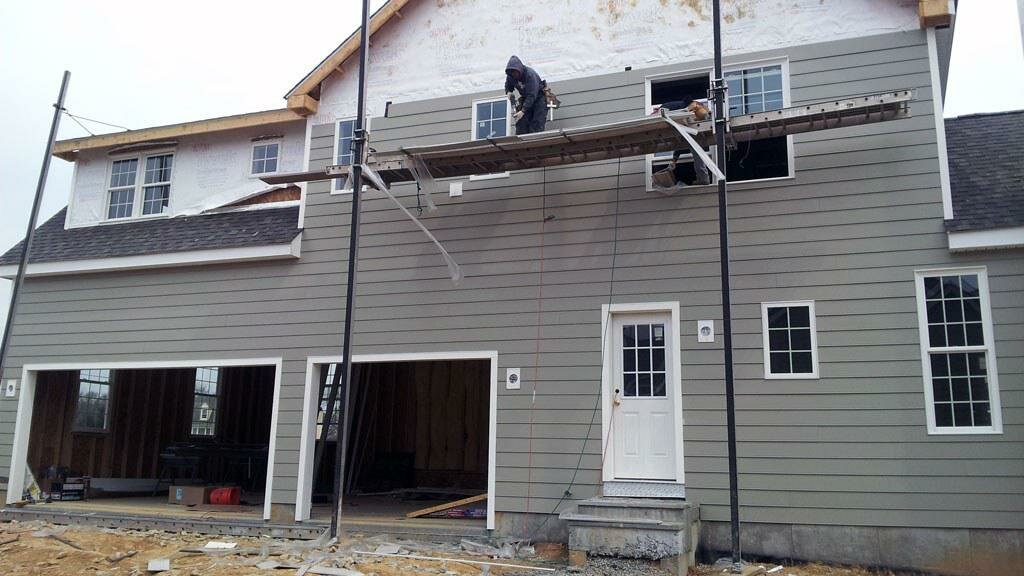
Proper installation of vinyl siding is key to ensuring its long-term durability and performance. While it’s possible to install vinyl siding as a DIY project, hiring a professional contractor is often the best choice for optimal results.
1. Prepare the Surface
Before installing vinyl siding, it’s crucial to ensure that the surface of your home is properly prepared. The old siding, if any, should be removed, and any necessary repairs should be made to the underlying structure. This ensures that the new siding adheres properly and has a solid foundation.
2. Install Insulation (Optional)
While not required, adding insulation beneath the vinyl siding can further enhance your home’s energy efficiency. Insulation helps to keep your home warm in the winter and cool in the summer, resulting in lower energy costs over time.
3. Properly Secure the Siding
Vinyl siding needs to be installed with care to avoid buckling, warping, or shifting. It should be nailed into place, leaving a small gap to allow for expansion and contraction due to temperature changes. It’s essential to follow the manufacturer’s guidelines for installation to ensure the best results.
Maintenance and Care for Vinyl Siding
One of the main advantages of vinyl siding is its low maintenance. However, some care is still required to keep it looking its best.
1. Cleaning the Siding
To maintain your vinyl siding’s appearance, wash it regularly. Use a garden hose to rinse off dirt and debris, and occasionally scrub it with a mild detergent solution to remove stubborn stains. For heavy-duty cleaning, you can use a power washer, but be sure to follow the manufacturer's guidelines to avoid damaging the material.
2. Inspect for Damage
While vinyl siding is highly durable, it's still important to regularly inspect it for any signs of damage. Look for cracks, dents, or loose sections that could lead to water infiltration or reduced insulation. Prompt repairs can help to avoid costly issues down the line.
3. Repainting (if Necessary)
While vinyl siding doesn’t need to be painted regularly like wood siding, it’s possible to repaint it if you want to change the color. Be sure to use high-quality paint designed for vinyl surfaces to ensure a smooth finish and long-lasting results.
FAQs About Vinyl Siding
1. How long does vinyl siding last?
Vinyl siding is designed to last for many years, typically 20 to 40 years, depending on the quality of the material and how well it is maintained.
2. Does vinyl siding fade over time?
While vinyl siding is resistant to fading, prolonged exposure to direct sunlight can cause some slight discoloration over time. Choosing high-quality vinyl and lighter colors can minimize fading.
3. Can vinyl siding be installed over old siding?
It is generally recommended to remove old siding before installing new vinyl siding to ensure proper installation. However, in some cases, it may be possible to install vinyl over old siding if the existing surface is in good condition.
4. Is vinyl siding environmentally friendly?
Vinyl siding is made from PVC, which is a recyclable material. However, the production of vinyl siding can have environmental impacts. To make your siding choice more eco-friendly, consider choosing products made from recycled materials.
Conclusion
Upgrading your home’s exterior with quality vinyl siding is an effective way to enhance its curb appeal, protect it from the elements, and reduce maintenance. With its wide range of styles, colors, and textures, vinyl siding offers a versatile and cost-effective solution for homeowners looking to refresh the look of their property. Whether you’re improving your home’s appearance for sale or simply want to enjoy a more attractive exterior, vinyl siding is a wise choice for any homeowner. By choosing the right materials, ensuring proper installation, and performing regular maintenance, you can enjoy the benefits of vinyl siding for many years to come.


0 Comments